
Spice Rubs: The Flavor You Can Rub In
Updated: Aug 6
Ready to level up dinner?
Spice rubs are the little jar of confidence your weeknight dinner has been missing.
They’re not complicated. They’re not fancy. They don’t require a culinary degree, a mortar and pestle, or one of those aprons that suggests you have sourdough opinions.
A spice rub is basically a tiny flavor plan.
You mix a few spices, add salt, maybe a little sweetness or heat, rub it onto something that needs help, and suddenly salmon, tofu, potatoes, vegetables, chickpeas, and Tuesday leftovers all start acting like they have somewhere better to be.
Low effort. High reward. Minimal emotional labor.


Two Spice Rub Schools:
Premade and make your own.
Premade rubs are great when you want convenience, speed, and a jar that already had a meeting without you. We respect convenience. Convenience has gotten many of us through dinner, inboxes, and family holidays.
A few premade rubs worth studying, borrowing from, or keeping around when dinner is already looking at you funny: Kinder’s, Meat Church, Killer Hogs, Bearded Butcher’s, Franklin, Blues Hog, Chicken Shit, Lawry’s Lemon Pepper, and McCormick Grill Mates.
Side Note: Check the first three ingredients. If sugar or salt is doing all the heavy lifting, that jar may be less “spice rub” and more “seasoned confidence trick.”
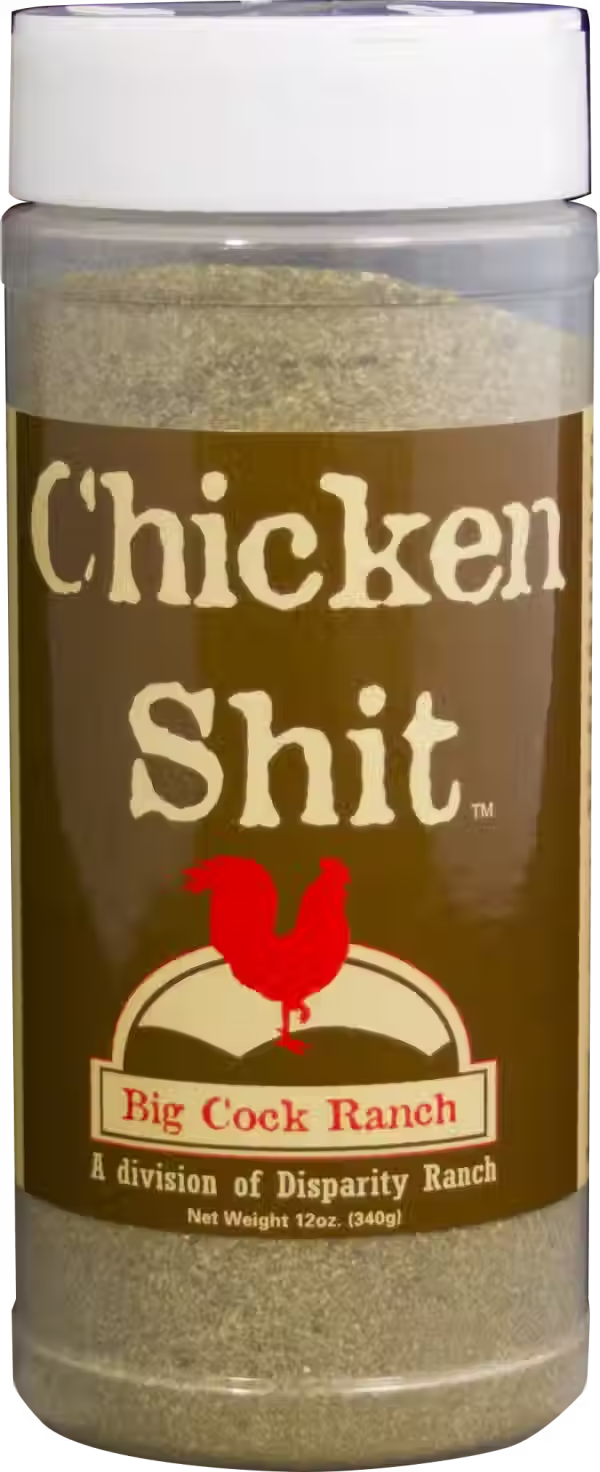
But if you want more control — less sugar, less salt, no mystery “natural flavors,” better ingredients, and the chance to create something that tastes like you did more than open a package and hope for the best — making your own rub is where it gets fun!
A homemade rub lets you decide the mood.
Smoky and bold? Bright and herby? Sweet heat? Warm and cozy? Spicy enough to make leftovers re-enter society? This is tiny strategy in a jar.

Build Your Own
Start with inspiration.
Maybe it’s a cuisine you love, a craving, a restaurant meal you’re still thinking about, or the deeply relatable desire to make Tuesday dinner less tragic.
Then ask a few questions:
What is it for?
One dinner? A house blend? A sprinkle-on-everything jar? Something for roasted vegetables, eggs, popcorn, soup, pizza, potatoes, fish, tofu, or whatever is currently staring at you from the fridge?
What’s the flavor profile?
Smoky, spicy, citrusy, earthy, herby, sweet, savory, or some beautiful little mashup.
What’s the texture?
Fine and powdery for even coating, or a little coarse if you want crunch and drama.
How does it look?
Yes, color matters. Paprika, turmeric, chili powder, dried herbs, and sumac can make food look like someone cared before anyone even takes a bite.
Is it balanced?
Salt wakes it up. Heat gives it attitude. Herbs add freshness. A tiny bit of sugar helps with browning. Not a lot. This is dinner, not frosting.
Start small. Taste as you go. You can always add more.
Tiny warning: if your blend turns out wildly too hot, don’t just keep adding salt or sugar like you’re negotiating with a toddler. Start over. Some spice situations are not emotionally available for repair.
Then do the grown-up thing none of us wants to do but all of us benefit from:
Write it down.
Measure it.
Grind what needs grinding.
Blend it well.
Taste and adjust.
Name it something fun. (The Tuesday Fix, The Rescue Rub, Roast & Boast)
Store it somewhere you’ll actually see and use.
Because the only thing sadder than forgettable food is inventing a great spice rub and immediately forgetting what you put in it.
A good rub is part flavor plan, part pantry confidence, and part evidence that dinner did not defeat you.

Classic Blends Worth Trying
Before you invent your own house blend, it helps to study the classics. They’ve lasted for a reason, and that reason is usually “people got tired of bland food centuries before we did.”
Some of the classic blends worth exploring below — many, many recipes online.
Pick one and get cookin’
Garam Masala – a favorite Indian blend; warm, layered, great with vegetables, lentils, rice, meats, soups, and stews. The blend that shows up to the potluck already knowing everyone.
Cajun – think Louisiana crab boils and gumbos; smoky, savory, peppery, great on seafood, potatoes, vegetables, and grilled proteins. Loud, a little chaotic, never apologizes for either.
Jerk – a Jamaican blend; smoky, fiery, often with allspice, thyme, pepper, and heat. Used most often in slow cooking or smoking meats, seafood and veggies. Low and slow, high commitment — this is not a weeknight blend, it's a weekend plan.
Berbere – Ethiopian spice blend; warm, spicy, complex, great with lentils, stews, vegetables, and meats (especially lamb). Try it with honey!
Dukkah – an Egyptian nut-and-spice blend; found in dips, salads, eggs, fish and bread with olive oil. Technically a garnish, emotionally a personality trait.
Za’atar — Middle Eastern blend; herby, tangy, often with sumac and sesame; great on eggs, labneh, flatbread, vegetables, and salads. Turns an egg into an event.
Herbes de Provence — French herb blend; great with roasted vegetables, potatoes, fish, chicken, and anything pretending it’s in the south of France.

The Go-To Starter Pack
All-Purpose Anything Rub
This is the rub you keep by the stove because apparently dinner happens every single day.
Good on: vegetables, potatoes, eggs, salmon, tofu, chicken, chickpeas, popcorn.
Basic formula: 2 tbsp smoked paprika + 1 tbsp garlic powder + 1 tbsp onion powder + 1 tsp black pepper +1 tsp salt + pinch of cayenne (optional)
Lemon-Pepper Herb Rub
For food that needs to taste awake, but not caffeinated. Bright, fresh, easy.
Good on: fish, roasted vegetables, potatoes, eggs, chicken, zucchini, asparagus.
Basic formula: 1 tbsp lemon zest or dried lemon peel + 1 tbsp black pepper + 1 tbsp dried parsley or oregano + 2 tsp garlic powder + 1 tsp salt + ½ tsp onion powder
Note: If using fresh lemon zest, make a small batch and use it within a few days. Fresh zest has moisture, and moisture is where spice blends go to make bad choices.
Curry-ish Golden Rub
Golden, cozy, and just smug enough to make cauliflower feel important. Warm, earthy, cozy.
Good on: cauliflower, sweet potatoes, lentils, chickpeas, tofu, rice, soups.
Basic formula: 1 tbsp turmeric + 1 tbsp cumin + 1 tbsp coriander + 1 tsp ginger+1 tsp garlic powder + 1 tsp salt + ½ tsp black pepper, +¼ tsp cayenne, optional
BBQ has its own personality and requires some experimenting….
Smoky BBQ-ish Rub:
Backyard energy, even if your “grill” is a sheet pan and a dream. A little sweet, smoky, and crowd-friendly.
Good on: grilled meats, tofu, roasted carrots, sweet potatoes, chickpeas, corn.
Basic formula: 2 tbsp smoked paprika + 1 tbsp chili powder + 1 tbsp garlic powder + 1 tbsp brown sugar + 1 tsp salt + 1 tsp black pepper + ½ tsp cumin +¼–½ tsp cayenne, optional
Or go down the Memphis BBQ rabbit hole like I did and learn A LOT about rib rubs from Meathead’s World Famous Memphis Dust Rub recipe, ramblings and free monthly emails (appropriately called Smoke Signals). Thanks to Erin P. for turning me onto this!
Start small. Taste before you scale. If you love it, double it. If you hate it, congratulations — you made a learning experience in a jar.
Flavor Rub Hacks
Tiny moves that make the jar do more.
A few ways to make spice rubs work harder than everyone in the group project:
Use more than a polite dusting.
If you can barely see it, you can barely taste it. A rub should show up. A sad little dusting is seasoning cosplay.
Add oil before you rub.
Oil helps spices cling, bloom, and behave. Think of it as primer, but for dinner.
Let it sit if you can.
Even 15 minutes helps. A few hours is better. Overnight is very “I planned ahead,” which we respect from a distance.
Rub it, then walk away.
A reader asked if you can rub meat and go straight into the crock pot — yes, and it might be one of the best places for a rub to live. Low and slow gives the spices hours to actually work into the meat instead of just sitting on top being decorative. Sear it first if you've got five minutes; you'll get a crust the slow cooker can't fake. Don't have five minutes? Throw it in anyway. Dinner still shows up.
Watch the heat, especially with sugar.
Spices can burn, and sugar speeds that up. Medium-high is your friend. Charred is flavor. Burnt is evidence.
Rub, then roast.
Vegetables love a rub. Cauliflower, carrots, sweet potatoes, zucchini, chickpeas, potatoes — all of them. Especially the ones currently giving “side dish with low self-esteem.”
Use rubs on snacks.
Popcorn, roasted nuts, crispy chickpeas, pumpkin seeds. Add a little butter, olive oil, or maple syrup and suddenly snack time has a résumé.
Make a paste.
Mix your rub with olive oil, lemon juice, yogurt, mustard, or honey. Now it’s a marinade-ish situation. Very useful. Slightly bossy.
Finish with acid.
A squeeze of lemon, splash of vinegar, or sprinkle of sumac after cooking makes the whole thing wake up. Salt gets you halfway. Acid brings the group chat back to life.
Label the jar.
Name it. Date it. Write down what’s in it. Future you is not a detective.
Taste before you commit.
Mix the rub, dip a finger in, and adjust. Too flat? Add salt. Too sharp? Add a tiny bit of sugar. Too boring? Add heat or acid.
Use it beyond dinner.
Eggs. Avocado toast. Cottage cheese. Yogurt dips. Beans. Rice bowls. Salad toppings. Rubs are not legally restricted to meat, despite what every barbecue uncle on the internet would have you believe.

Recipe-ish
More of a challenge this week: use one rub three ways.
Take the All-Purpose Anything Rub (above) and use it three ways this week:
Roasted vegetables — Toss with olive oil, rub, and roast until browned at the edges.
Crispy chickpeas — Drain, dry, oil, season, roast until snackable.
Eggs or avocado toast — Sprinkle lightly at the end. Suddenly breakfast has a point of view.
Same jar. Three meals. Look at you, having systems.
Want more Rub ideas? I’m adding three to the site with full instructions. Get them here.
Current Obsession
A house rub.
Not a precious one. Not a “my family has guarded this for generations” one. Just a reliable little jar that sits near the stove and makes everything easier.
My current version:
Smoked paprika
Cumin
Garlic powder
Black pepper
Salt
A little brown sugar
A pinch of cayenne
Smoked paprika and cumin do most of the heavy lifting. Garlic powder and black pepper back them up. Salt keeps everyone honest. Brown sugar adds balance. And cayenne shows up only if I’m feeling spicy.
That’s it.
I’ve put it on roasted chickpeas, carrots, potatoes, eggs, salmon, tofu, and one very desperate lunch involving cottage cheese and crackers.
It worked harder than it needed to. Respect.

Kitchen Island Ramblings
Spice rubs are for the 6:12pm moment.
You know the one when you open the fridge and stare into the middle distance. Something wrapped in foil looks back at you with no plan and even less charisma.
This is where a rub earns its shelf space.
A good blend can make roasted vegetables taste intentional, tofu taste like it has representation, potatoes taste like they paid attention in class, and leftovers feel emotionally ready to re-enter society.
That’s the thing about flavor.
It changes the odds.
You are much more likely to eat the good-for-you thing when the good-for-you thing tastes like someone cared.
A rub is not a miracle.
But it is a very small intervention between you and another meal that tastes like resignation.
And sometimes that’s enough.
Quick Q&A
Q: Salt-forward or salt-free rub — which one should I actually make?
A: Depends on the mission. Salt-forward rubs season and marinate at the same time — the salt draws out moisture that then reabsorbs, seasoning right down to the middle. Salt-free rubs are the move if you're watching sodium, cooking for someone who is, or you'd rather salt separately so you control it at the table the adult you occasionally are. Neither one is the "healthy" choice or the "wrong" choice. They're just different tools, and both are allowed to exist in the same drawer.

Q: What's the actual difference between a rub and a marinade?
A: A rub is dry (or paste-adjacent) and stays on the surface, building a crust — think of it as the outfit. A marinade is wet and includes something acidic or enzymatic — lemon, vinegar, yogurt — that actually changes the texture of what it's touching, which is more of a personality transplant. Rub it if you want flavor and a crust. Marinate it if you want flavor and a little tenderizing magic. Or — plot twist — do both. Rub it, then let it sit in a little oil and acid. Nobody's stopping you. Certainly not the chicken.

I grew up in a house where the only “spice rub” I remember my dad using was Worcestershire sauce on hamburgers.
No shade. Those burgers had a job, and they did it.
But it does explain why I get so excited about spices now. Ginger in tea. Cumin on carrots. Cardamom in coffee. Paprika on eggs.
Turns out flavor had been waiting in the wings the whole time.
Want more?
Jump to the next episode now: Sumac — the spice that shows up when lemon is unavailable, emotionally exhausted, or already in someone’s cocktail.
Check out our spice guide — the no-fuss Guide for people who want flavor without the homework.


Comments